When Being "Strong" Was Never the Goal
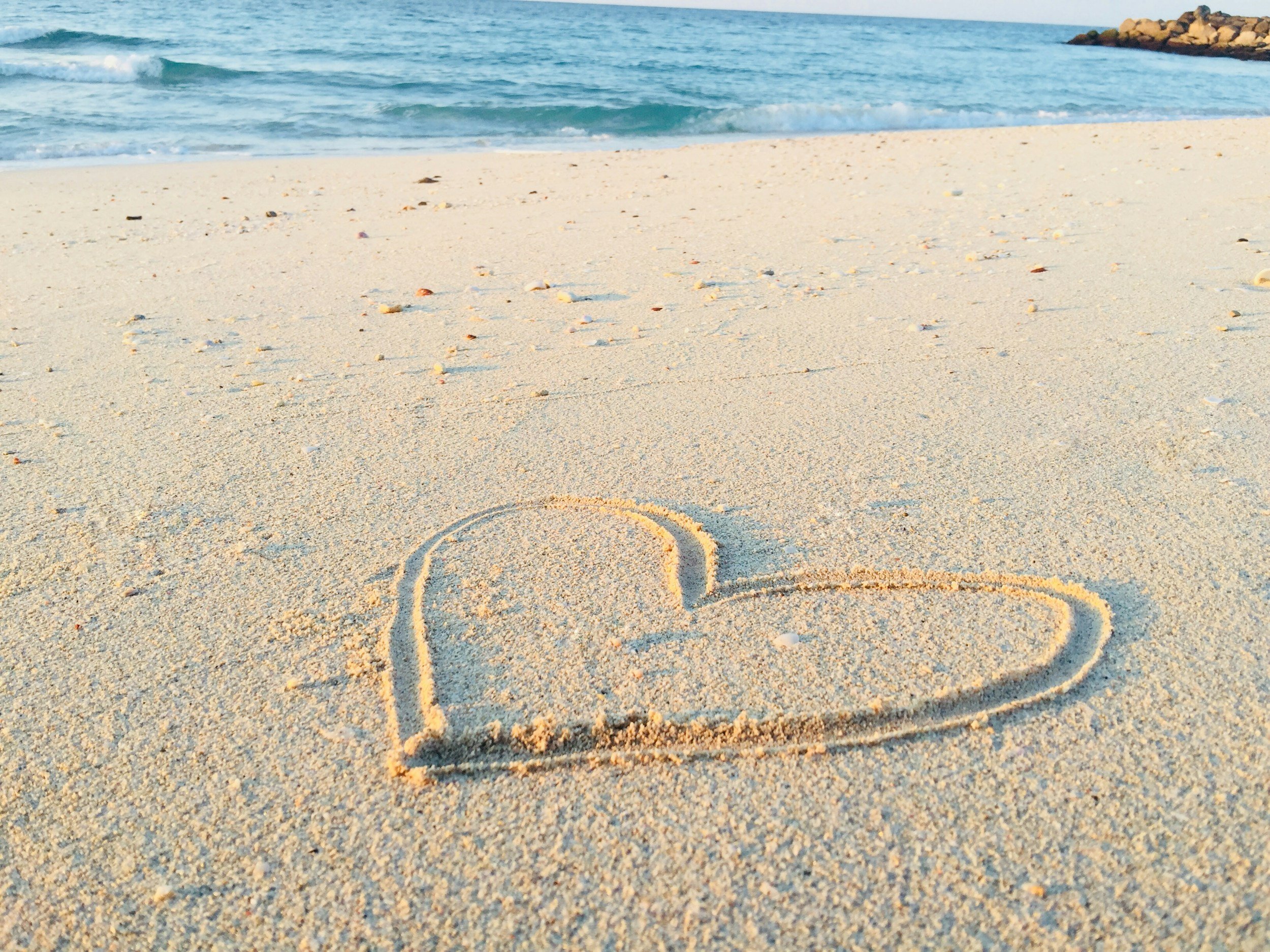
"Soft is not the opposite of strength. Soft is what strength looks like when it is secure.”
Dr. Caroline Leaf
“You're so strong."
It's a phrase I've heard countless times in my therapy office, and it's one I've heard in my own life as well. It's almost always spoken with love and admiration. People genuinely mean it as a compliment. But over the years, I've come to realize that for many trauma survivors, those words don't always land the way they're intended. Instead of feeling seen, they can stir up a quiet sadness because they serve as a reminder of everything that person had to carry, often without support, comfort, or another choice.
Before trauma, many people never set out to become strong. They became strong because life required it of them. Strength wasn't simply part of their personality, it was an adaptation. It was the way their nervous system and their heart learned to survive experiences that felt overwhelming, unsafe, or unpredictable. They learned to keep moving when they were exhausted, to care for others while neglecting themselves, to stay emotionally guarded because vulnerability didn't feel safe, and to carry burdens that were never theirs to begin with.
Strength wasn't a personality trait. It was a survival strategy.
That kind of strength deserves to be honored because it helped them survive.
But surviving and living are not the same thing.
One of the greatest privileges of my work is witnessing what people begin to long for once they no longer have to spend every ounce of their energy surviving. I've had clients say, sometimes with tears in their eyes, "I don't want to be strong anymore." I don't hear those words as hopelessness or defeat. I hear someone whose body is exhausted from carrying survival for so long. I hear someone longing for something they may have never truly experienced, a life that feels safe.
When people say they don't want to be strong anymore, I don't believe they're asking to become weak. I think they're asking what it feels like to finally put the weight down. They want to know what it's like to rest without guilt, to ask for help without feeling like they've failed, to laugh without part of them waiting for something terrible to happen next, and to trust that someone else can hold them without eventually letting them fall.
The goal of healing isn't to become even stronger. It's to no longer need survival strength every moment of every day.
I think we often misunderstand what healing is supposed to look like. We celebrate resilience, perseverance, and grit, and while those qualities have tremendous value, we sometimes assume that healing means becoming even stronger than before. We imagine people becoming more capable of enduring pain, more equipped to push through adversity, or more resilient to whatever life throws at them. That isn't what I've witnessed.
What I've witnessed is something much quieter.
I've watched people slowly discover that they no longer have to organize their lives around survival. Their nervous system begins to recognize moments of safety that it once couldn't feel. They start crying without apologizing for their tears. They receive kindness without immediately wondering what strings are attached. They allow themselves to rest without believing they have to earn it first. They begin trusting relationships without constantly scanning for signs that they'll be abandoned, betrayed, or disappointed.
Those changes may not look dramatic from the outside, but I believe they represent some of the deepest healing a person can experience.
From a biological perspective, this makes sense. Trauma shapes the nervous system to prioritize protection over connection. When safety has been inconsistent or absent, the brain becomes remarkably skilled at anticipating danger. Hypervigilance, perfectionism, emotional suppression, over-functioning, self-reliance, and people-pleasing are often intelligent adaptations developed in response to environments where survival mattered more than ease. They are not evidence that something is wrong with a person; they are evidence that the nervous system found creative ways to protect them.
Healing doesn't ask us to abandon those adaptations overnight. Instead, it gently teaches the nervous system that it no longer has to rely on them quite so heavily. Through safe relationships, compassionate therapeutic work, and repeated experiences of being accepted just as we are, the body slowly learns that protection doesn't always have to come first. As that happens, something beautiful begins to emerge.
Strength doesn't disappear. It softens!
To me, this is what secure strength looks like. It isn't measured by how much someone can endure or how much they can carry without asking for help. Secure strength is the quiet confidence that grows when a person no longer believes they have to face everything alone. It allows someone to be open instead of guarded, flexible instead of rigid, and compassionate toward themselves instead of constantly demanding more.
Ironically, softness is often far more courageous than survival ever was. Survival happens because we have no other choice. Softness, however, requires trust. It asks us to believe that we are worthy of care, that rest is not something we have to earn, and that allowing others to love and support us does not make us weak. For someone whose nervous system has spent years expecting danger, those may be some of the bravest steps they ever take.
If this resonates with you, I hope you'll hear this with gentleness.
The strength that carried you through your hardest seasons deserves to be honored. It protected you in ways that were necessary, and it helped you become the person sitting here today. But it doesn't have to be the only way you know how to live.
If you've never experienced the kind of softness that comes from genuine safety, I want you to know that it is possible. It may take time. It may feel unfamiliar at first. It may even feel uncomfortable because your nervous system has learned that staying guarded is safer than letting go.
But healing has a beautiful way of expanding what feels possible.
My hope, for my clients, for myself, and perhaps for you is that we continue discovering that we were never meant to spend our entire lives surviving. We were created for connection, for peace, for belonging, and for a kind of softness that doesn't replace our strength, but transforms it into something we no longer have to carry every waking moment of every day.
